
When the Algorithm Says No, Who Do You Ask Why?
Trust — not capability — will decide which institutions survive the age of automated decisions.

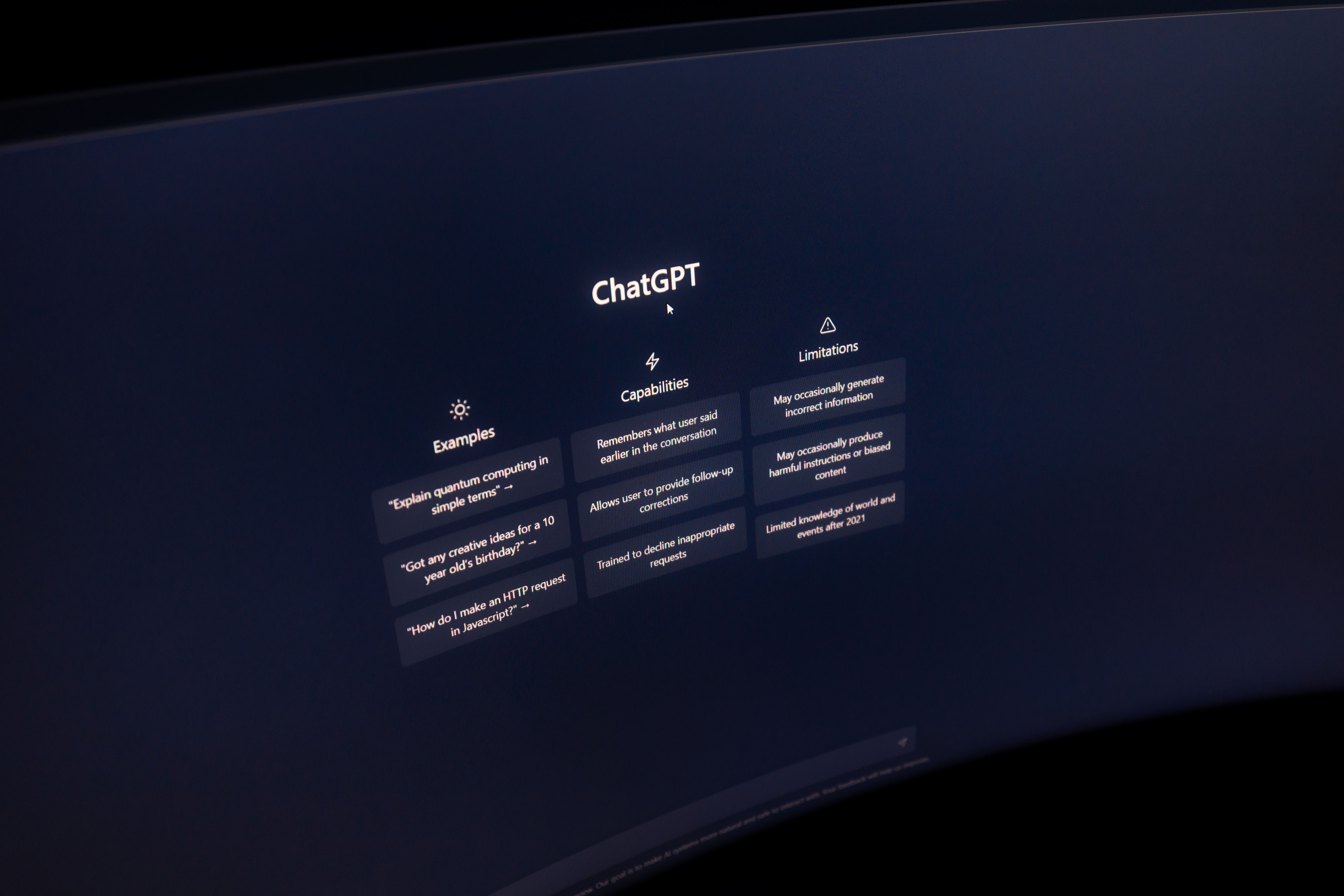
Not long ago, when a bank said no to your mortgage, you could book an appointment. You could sit across a desk from a human being, ask them to reconsider, plead your case, and understand the reasoning – even if you disagreed with it. There was a face. There was someone accountable.
Today, the "no" increasingly comes from a system. And when you ask why, there is often no one who can tell you.
This is the quiet shift I keep returning to. We spend so much energy debating whether algorithms can make decisions about our lives – approving loans, pricing insurance, screening job applicants, flagging fraud, and recommending treatment. That debate is largely settled. They already do. The harder, more human question is whether we trust them to. And on that front, I think we are in trouble.
Trust is the infrastructure we forget we depend on
Most passengers boarding a flight understand nothing about the engineering that keeps the aircraft in the air. I have a PhD in engineering, and even I take a great deal on faith at 38,000 feet. Yet we board anyway – because we trust the airline, the pilot we never see, and the regulators working in the background. That invisible trust is what lets us participate without full understanding.
Trust is the same infrastructure that makes almost everything else work. We accept court judgements because we believe in the judiciary. We pay taxes because we believe – however grudgingly – that governments will use them properly. We do business with strangers, sign contracts, and hand over our data. Remove that trust and things do not merely slow down; they break. Institutions lose legitimacy. Organisations turn inefficient. People stop cooperating at scale.
Here is what technologists often miss: Adoption depends far less on capability than on trust. People do not simply ask whether something works. They ask whether they can trust it to work. Put Microsoft’s name on a product, and people will try it. That is not about features – it is about earned confidence.
Why AI strains trust in a particular way
Wearing my other hat – the LLM in Law, Technology & Innovation – I keep coming back to what makes algorithmic decisions legally and morally distinctive. It is not the automation itself. It is that automation quietly dissolves the four things law has always relied on.
In the old world, responsibility was visible. There was a bank manager, a hiring manager, a doctor – someone whose address you knew. With AI systems, responsibility becomes diffuse. And when responsibility is unclear, four uncomfortable questions rush in to fill the vacuum:
- Transparency: Why was this decision made?
- Accountability: Who is answerable for it?
- Contestability: How do I challenge it?
- Fairness: Was it just?
Imagine being rejected for a job by an automated screening system before a single human reads your name. Every question you’d instinctively ask is ‘What criteria?’ Was it biased? Can I appeal? - This is a trust question. And it is a question that would never arise if the process felt legitimate.
The four foundations leaders keep skipping
Trust in these systems, I’d argue, rests on four foundations. Transparency: people should know when AI is being used and what role it plays – this does not mean exposing your trade secrets, only being honest. Accountability: a person or an organisation, never the software, must ultimately own the decision. Fairness: models trained on biased data produce biased outcomes – and that is not the algorithm’s fault; it is the fault of whoever prepared the data, which loops us straight back to accountability. Reliability: we trust systems that behave consistently, the way we quietly stop relying on the friend who always arrives three hours late.
Too many organisations treat these as a compliance exercise – boxes to tick so a regulator stays away. That is the mistake. Trust, built by default, is a competitive advantage. Given two organisations – one known for responsible AI and transparency, the other for data breaches and opaque algorithms – customers, regulators and even employees will choose the trustworthy one every time. The organisations that thrive in this era will not be those with the best models. They will be those with the highest trust.
What I’d ask you to do this week
Two things. First, audit trust, not just technology. Ask honestly: do people understand how our decisions are made? Are their concerns openly heard and addressed urgently – or do we not even have a feedback channel? Second, design for explainability wherever decisions touch people’s lives. If someone is rejected – for a job, a loan, or a claim – they deserve a reason, even a brief one. That email is not a courtesy. It is how legitimacy survives automation.
If this resonates, listen to the full episode of The Future State for the deeper conversation – and subscribe so we can keep thinking through the future together. I read every reply, so tell me: when did an algorithm last decide something about your life, and could anyone explain why?