
What Will Humans Do When Machines Can Think?
AI is not just automating muscles anymore; it's coming for cognition. Here's how leaders should respond.


I keep seeing the same advice scroll past me on LinkedIn: replace your entire marketing team with AI agents. It is delivered with the confidence of someone who has never had to deliver bad news to a real person on a Friday afternoon. And yet, beneath the hype, the anxiety it taps into is genuine. If an AI can write the report, draft the contract, generate the code, and answer the customer, then what, exactly, are the rest of us for?
That is the question I sat with for this episode of The Future State. Not as an abstract policy debate, but as something landing on desks right now in universities rethinking what a dissertation even proves, in boardrooms chasing productivity, and in the quiet worry of an employee thinking, If the machine can do my job, my company won’t pay me to do nothing.
We have been here before, but not quite like this
Every technological revolution rearranges work. The industrial revolution did it. Electricity did it. The computer retired the typewriter. The internet rewrote entire industries. When the automobile arrived, the economy built around horses collapsed, and an enormous new industry rose in its place, employing far more people than the old one ever did. The computer erased swathes of administrative roles and created millions of new ones we now can’t imagine living without.
The lesson from history is reassuring, and I think we should hold onto it: technology rarely eliminates work entirely. It changes the nature of the work. The task survives; the way we do it transforms.
But I would be dishonest if I pretended AI were simply the next horse-to-car story. Every previous wave automated physical tasks. AI automates cognitive ones. It drafts reports, reviews documents, writes software, translates across hundreds of languages no single human could ever master, and processes volumes of information at a speed that makes the four-hour report a one-minute output. That is genuinely different, and we should be honest about it rather than soothe ourselves with analogies that don’t quite fit.
Roles are bundles of tasks, not single things
Here is where my engineering instinct and my legal training pull in the same direction. The question “Will AI replace my job?” is the wrong question, because your job is not one thing. It is a bundle: some routine, some requiring judgement, some creativity, and some empathy.
Take the lawyer. AI can accelerate legal research, document review, and first-draft generation. But a client is not paying for the draft. They are paying for advocacy, for negotiation, for the judgement to know which clause matters and which is theatre, and, above all, for trust. Take the doctor. AI can support diagnosis, recognise patterns in past data, and flag risk. But the patient still needs reassurance, communication, and a human presence in a frightening moment. Empathy, today, is not in the training data.
So the future does not belong to those who compete against AI. It belongs to those who learn to work with it. Even where roles are cut, they will be cut in favour of people who use these tools fluently, not in favour of the tools alone.
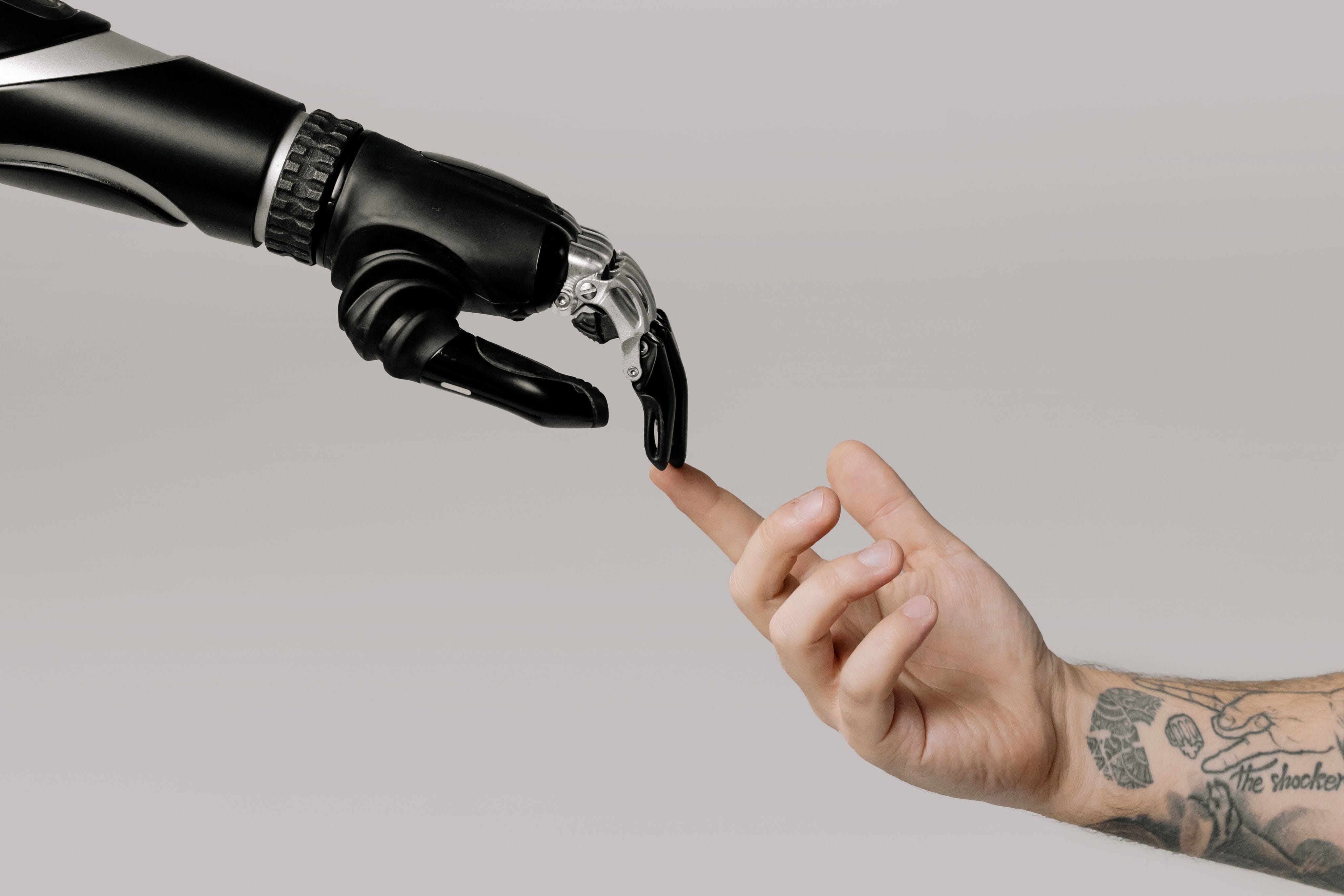
What leaders should actually do
Three things, and I’d argue none of them are optional.
Augment, don’t replace. Stop asking how AI can remove your people and start asking how it can make them better. The most successful organisations I see treat AI as amplification, not substitution. And a word from the legal side: if you deploy AI in front of customers, you increasingly owe them transparency about it. Productivity that quietly erodes trust is a liability, not a gain.
Invest in continuous learning. The half-life of a skill is shrinking. New tools arrive weekly. Build environments where learning is part of the work, not a course you send people on once a year. And ask the uncomfortable question now: What will our workforce need, and how do we prepare them before we need them? Wait for the future, and you are already behind.
Redesign work, not just jobs. AI changes workflows, decision rights, and accountability, not merely task lists. Think past the job description. What should humans own? What should machines own? How do the two combine without anyone abdicating responsibility for the outcome?
The harder question
Work has always been changing; that is not the crisis. The real question is whether we can prepare people quickly enough for a world where intelligence itself is being automated. And beneath even that lies the one I cannot stop thinking about: if machines do more of the work, how do we make sure humans still find purpose, meaning, and opportunity in it?
That is not an engineering problem, and it is not only a legal one. It is a leadership question, and it is already on the table.
If this challenged how you think about your career or your organisation, listen to the full episode of The Future State, share it with a colleague or a leader who needs it, and subscribe so the next conversation finds you first.